
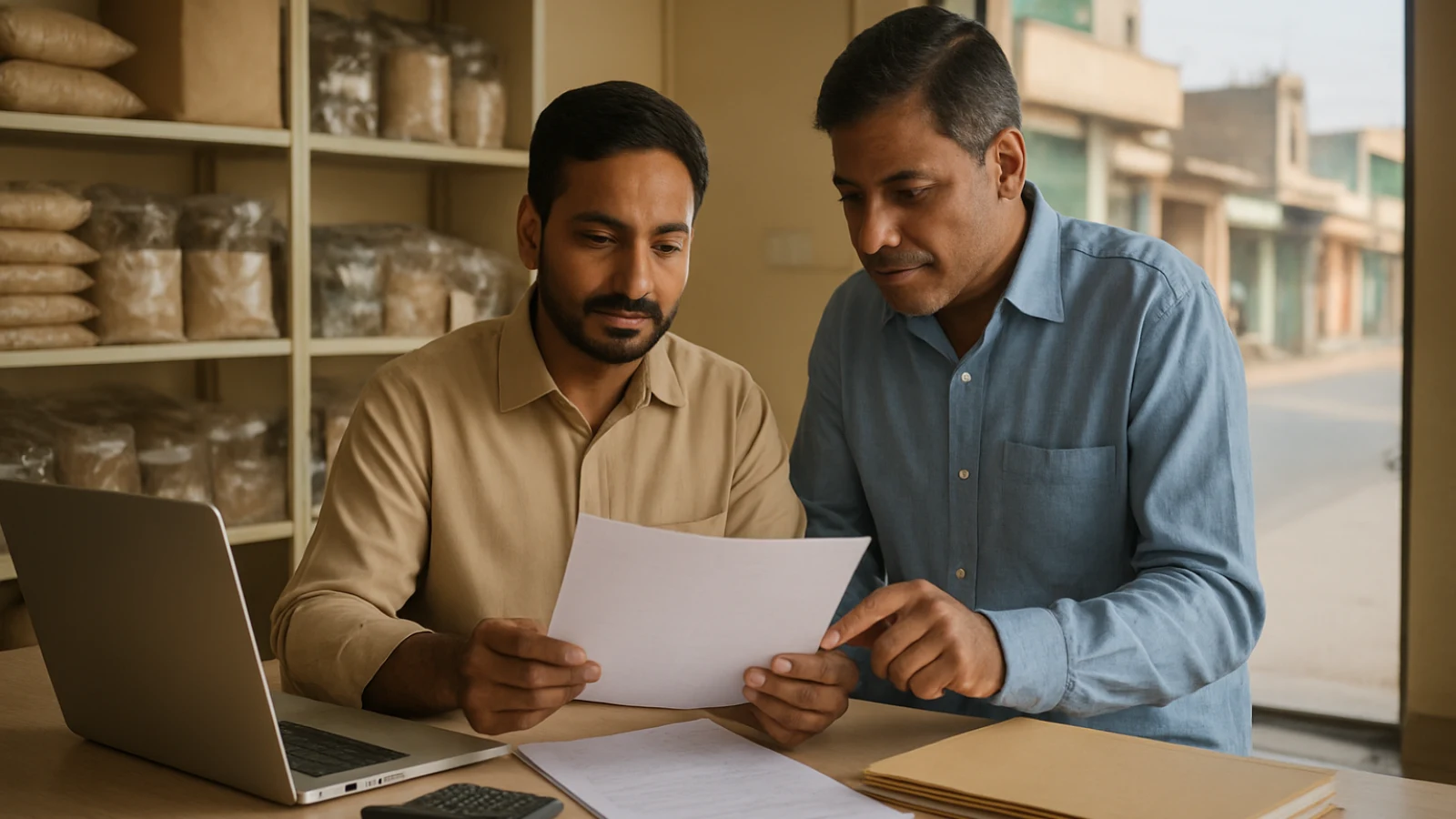
Quick answer: Parliament passed the Micro, Small and Medium Enterprises Development (Amendment) Bill, 2026 in August. For a Tarapur business that buys from micro or small suppliers, the immediate practical step is not to wait for a dispute. Build a clean trail from supplier verification and purchase order to delivery acceptance, invoice, due date and payment. Check the final law, commencement notifications and professional advice before relying on any amended legal right.
What Parliament passed in August 2026
The Press Information Bureau reported that the Rajya Sabha passed the MSMED Amendment Bill on 3 August 2026 and the Lok Sabha passed it on 7 August 2026. The Bill seeks to update the MSMED Act, 2006 for a larger, more digital MSME economy. Its provisions cover the twin investment-and-turnover classification approach, a permanent free and voluntary national registration platform, online dispute resolution, time-bound mediation and arbitration, stronger recovery routes, TReDS settlement for Central Public Sector Enterprise procurement, more facilitation councils and graded civil penalties in place of specified criminal provisions.
This guide deliberately uses the word Bill. Passage by Parliament is an important milestone, but a business should verify presidential assent, Gazette publication, commencement dates, rules and portal instructions before treating every proposed change as operational. The article is a record-readiness checklist, not legal, tax or accounting advice.
Why buyer records matter in Tarapur
A retailer, clinic, service counter, food operator, coaching centre or small office may buy stock and services from many suppliers: wholesalers, printers, repair technicians, fabricators, couriers, software providers, electricians and local contractors. Problems often begin because the commercial understanding is spread across phone calls, chat messages and memory. Quantity changes, delivery dates, tax treatment, acceptance conditions and payment timing can then become unclear.
A written trail protects both sides. It helps the buyer confirm what was ordered and accepted, helps the supplier raise a correct invoice, gives the accountant a usable due-date record and allows management to separate a genuine quality dispute from a delayed internal approval. Good records do not remove a legal dispute, but they reduce preventable ambiguity.
Start with supplier identity and Udyam verification
Ask the supplier for its legal or trade name, contact person, address, tax details where applicable, bank details through a verified channel and Udyam Registration Number if it claims MSME status. The official Udyam portal provides a verification facility and states that registration is free. Never pay an unknown intermediary merely to check a certificate, and never rely only on a screenshot sent over chat.
Record when the Udyam details were checked and who checked them. Do not edit, backdate or invent supplier information. If the name on the quotation, invoice, bank account and registration differs, pause and obtain a written explanation before payment.
Minimum fields for a useful purchase order
A purchase order can be simple, but it should be complete enough for both parties to understand the transaction. Use a unique reference number and include:
- Buyer and supplier names, addresses and verified contact details.
- Product or service description, specification, quantity and unit.
- Agreed price, taxes, freight, installation or other charges.
- Delivery address, expected date and responsible receiver.
- Inspection, acceptance, rejection, return or correction conditions.
- Invoice requirements and the agreed payment due date.
- Warranty or service terms where relevant.
- A change-control rule: any change must be accepted in writing by both sides.
For a small repeat order, a confirmed email or message can support the trail, but a numbered purchase order or order sheet is easier to reconcile. Do not place an order with blank price or due-date fields and assume they can be settled later.
Record delivery and acceptance separately
Delivery is not always the same as acceptance. When goods arrive, record the delivery date, challan number, quantity received, visible condition and the receiver's name. For services, record the completion date, output delivered and any pending correction. If inspection needs time, state that clearly instead of silently holding the invoice.
If something is short, damaged or different from the order, tell the supplier promptly in writing. Identify the affected item and the requested correction. A vague note such as “material not good” is difficult to resolve; a dated note linked to the purchase order and delivery document is much stronger.
Build an invoice and due-date register
Maintain one register for every supplier invoice, even if the business is small. A spreadsheet, accounting system or controlled paper register can work. Recommended fields are supplier, Udyam number where provided, purchase-order reference, invoice number and date, receipt date, acceptance status, taxable amount, total amount, agreed due date, approval owner, payment date, bank reference and open issue.
Review the register at least weekly. Mark invoices that are approaching the due date, not only those already overdue. Where an amount is disputed, record the undisputed amount separately and obtain accounting or legal advice on the correct action. Do not hide an invoice by leaving it outside the register.
A practical digital folder structure
Create one folder per supplier and one subfolder per financial year. Within it, keep registration verification, quotations, purchase orders, amendments, delivery records, invoices, credit notes, correspondence and payment evidence. Use consistent file names such as date, supplier and document reference. Limit editing rights, keep backups and do not store passwords, OTPs or unnecessary personal identity documents in the transaction folder.
For paper-led businesses, keep the same sequence in a physical file and scan key records. The goal is retrieval: a manager should be able to reconstruct one transaction without searching several phones.
Category examples for Tarapur businesses
- Garments and footwear: record size assortment, colour, quantity, return conditions and damaged-piece handling.
- Food and bakery: record batch or expiry details where applicable, cold-chain or storage requirements, delivery time and rejected quantity.
- Pharmacy or diagnostic operations: follow all sector-specific licences and storage rules; record batch, expiry, condition and authorised supplier details.
- Mobile and electronics: record model, serial number where relevant, warranty, accessories and testing or replacement conditions.
- Printing and signage: approve dimensions, material, quantity, artwork version and installation scope in writing before production.
- Fit-out and repair work: define material, labour, milestones, safety responsibility, completion evidence and approved changes.
A seven-day buyer-readiness reset
- List active suppliers and verify names, contacts and current bank details through a trusted channel.
- Check claimed Udyam numbers on the official portal and note the verification date.
- Create one purchase-order template and one delivery-acceptance template.
- Enter every unpaid invoice into a due-date register.
- Resolve missing approvals, credit notes and quantity differences in writing.
- Set a weekly review owner and an escalation date before each due date.
- Back up the files and brief staff not to accept undocumented changes.
When an invoice becomes disputed or delayed
First reconcile the purchase order, delivery evidence, acceptance note, invoice and payment terms. Contact the supplier with a specific written position and preserve all replies. The Ministry's MSME Samadhaan information explains the existing delayed-payment mechanism under Sections 15 to 24 of the MSMED Act and says a micro or small enterprise with valid Udyam registration can apply. CHAMPIONS is an official Ministry platform for grievance support and handholding.
These portals do not replace case-specific professional advice. Eligibility, jurisdiction, limitation, interest, evidence and the effect of the 2026 Bill can depend on the facts and the final notified law. A buyer should not threaten a supplier, fabricate acceptance records or delete messages after a dispute begins.
Plan the back office when choosing a shop
Shop selection is also an operations decision. During a Balram Complex site visit, consider where billing will happen, where delivery papers will be checked, how stock and documents will be stored, and whether staff can keep supplier records away from public access. Current unit availability, dimensions, facilities, commercial terms and suitability must be confirmed directly with Balram Complex management.
Next step: Use the Book Site Visit popup to compare current shop options and discuss a layout for receiving stock, maintaining records and serving customers. Submitting an enquiry does not reserve a shop or confirm availability.
Frequently asked questions
Has the MSMED Amendment Bill, 2026 become operational everywhere?
Parliament passed the Bill in August 2026. Businesses should still verify assent, Gazette publication, commencement provisions, rules and official portal instructions before relying on a specific amendment. This guide focuses on records that are useful regardless of the commencement date.
Is Udyam registration compulsory for every supplier?
The official 2026 material describes the national registration platform as free and voluntary. A buyer should not invent a registration requirement, but should verify any Udyam number a supplier provides and obtain professional advice where a scheme or contract has specific eligibility conditions.
Does every Tarapur buyer have to settle invoices through TReDS?
No such blanket claim should be made. The Bill's stated TReDS requirement concerns invoice settlement by Central Public Sector Enterprises for procurement from MSMEs, with an enabling route for states regarding their public entities. Private buyers should check rules applicable to them.
What if goods are delivered but inspection is pending?
Record the delivery immediately and state that acceptance is pending under the agreed inspection period. Complete inspection promptly, document any shortfall precisely and communicate it to the supplier in writing. Do not use an undefined inspection delay to avoid recording the invoice.
Can chat messages replace a purchase order?
Messages can support evidence, but a numbered order document is easier to control and reconcile. At minimum, ensure the written exchange clearly records the parties, item or service, price, taxes, delivery, acceptance conditions, due date and approved changes.
What should a small shop track first?
Start with supplier identity, order reference, invoice number, receipt date, acceptance status, amount, due date, payment reference and unresolved issue. A complete small register is more useful than a complicated system that staff do not maintain.
Does a site-visit enquiry confirm a Balram Complex unit?
No. The popup starts a management enquiry only. Current availability, size, facilities, price, lease terms and business suitability must be confirmed directly with Balram Complex management before making a decision.
Official sources and further reading
- Press Information Bureau: MSMED Amendment Bill, 2026 passed by Parliament
- PIB factsheet: Micro, Small and Medium Enterprises Development Amendment Bill, 2026
- Official Udyam Registration and verification portal
- Ministry of MSME RAMP: MSME Samadhaan delayed-payment information
- Ministry of MSME CHAMPIONS grievance and handholding portal
- Balram Complex: current commercial shop listings in Tarapur