Monsoon planning is now a business issue for Tarapur shops, not only a weather issue. On June 28, 2026, IMD Patna issued warnings for Bihar that included thunderstorm, lightning, gusty wind, and heavy-rainfall alerts across parts of the state. Munger district administration has also been publishing disaster-management procurement notices in June for flood-season essentials such as food packets, relief materials, and drone support. For Balram Complex tenants and shop seekers, the message is practical: prepare the shop before rain disrupts stock, signage, customer access, or daily cash flow.
What changed this week
The IMD sub-division warning page for Bihar showed a multi-day alert pattern on June 28, with thunderstorm and lightning warnings across the forecast period and heavy-rainfall risk on several days. The IMD Patna district bulletin also listed South-East Bihar districts, including Munger, in the regional warning table for thunderstorm and lightning with gusty wind activity.
At the district level, Munger's official website shows active Disaster Management Section notices dated June 17, 2026 for food and relief-material arrangements, plus separate drone-related tender notices. These are not retail-market reports, but they are strong local operating signals: the administration is preparing for monsoon response, and businesses should prepare their own front-line operations as well.
Why this matters for Balram Complex
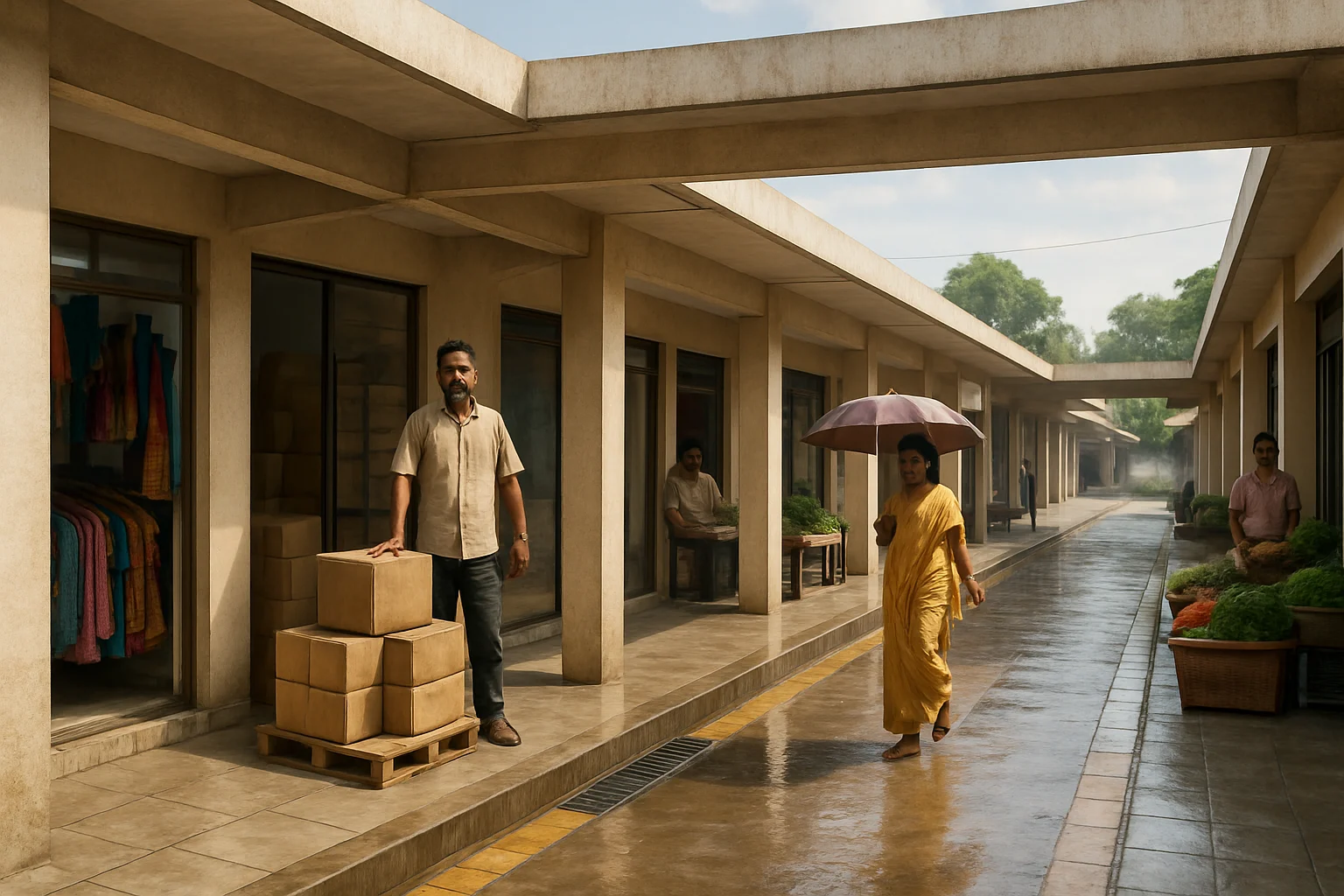
For a commercial complex, monsoon risk usually shows up in small operational problems first. Customers avoid a shop if the approach is slippery, poorly lit, waterlogged, or hard to identify. Stock loses value when cartons touch damp floors. Signage fails when it is loose or badly mounted. Power cuts hurt businesses that depend on cold storage, charging, printing, lighting, or digital payments.
Balram Complex shop owners can reduce these risks with basic preparation. The goal is not to stop the monsoon. The goal is to keep the shop visible, accessible, stocked, and safe during rain-heavy days.
Shop categories that should act first
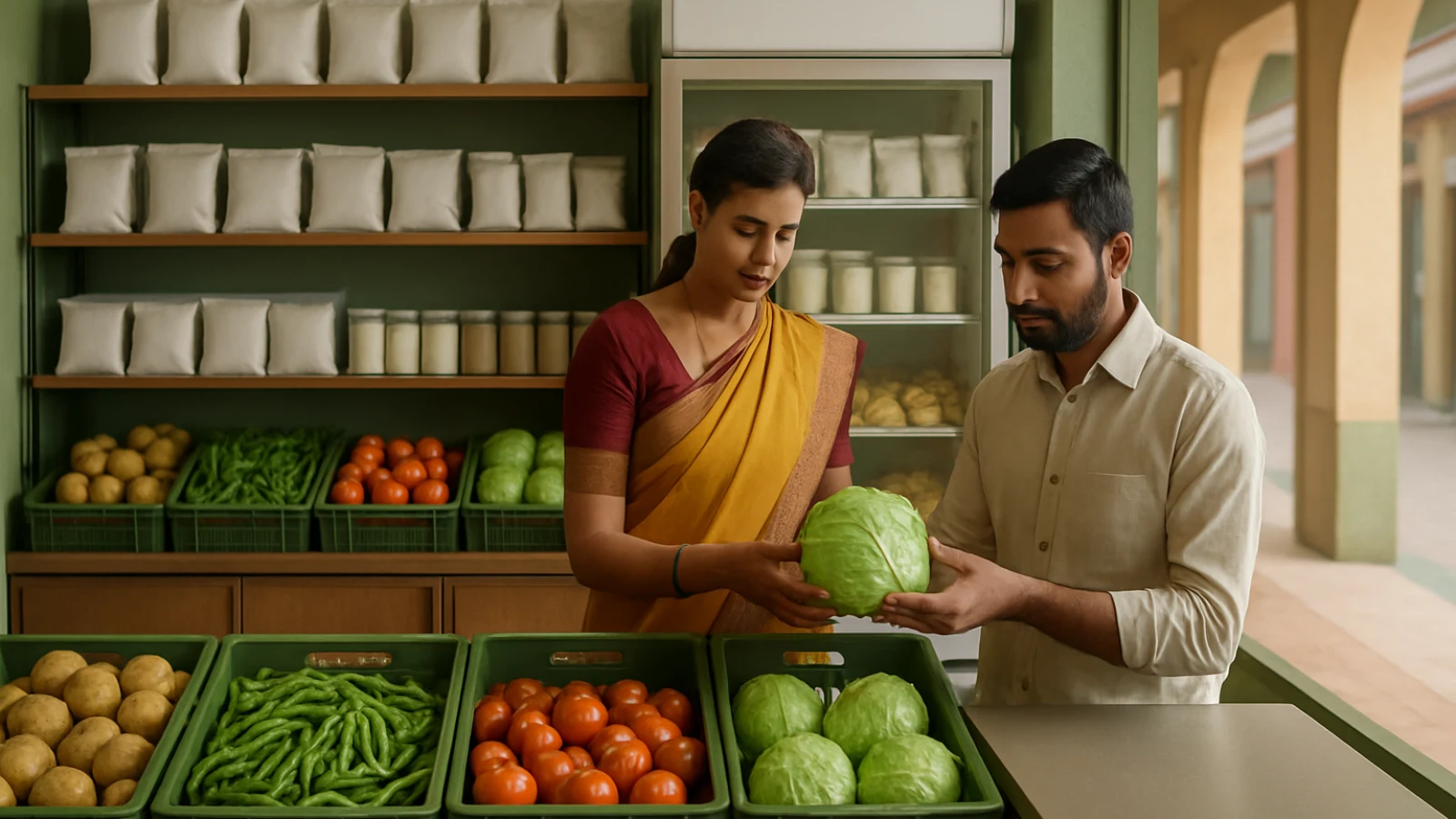
- Grocery and packaged food counters: Keep cartons off the floor, protect dry goods, and rotate stock faster during damp weeks.
- Dairy, beverages, and frozen products: Check refrigeration backup, plug safety, and power-load discipline before heavy rain days.
- Pharmacy and mobile counters: Protect high-value stock, chargers, and small electronics from moisture and leakage.
- Food, tea, and snack shops: Keep the entrance dry, protect raw material, and plan for safe evening lighting.
- Printing, photocopy, tailoring, and repair shops: Lift machines and paper stock away from damp floors and walls.
- Service and payment counters: Prepare for network or power interruption by keeping receipts, QR codes, and backup contact details ready.
A practical monsoon checklist before leasing or opening
- Check whether the shop entrance stays usable during rain and whether customers can stand without blocking the walkway.
- Keep stock on racks or pallets, not directly on the floor.
- Use sealed containers for paper, medicines, packaged foods, and electrical accessories.
- Confirm that signage is fixed securely and visible during cloudy or low-light conditions.
- Use LED lighting and avoid loose extension boards near damp areas.
- Keep a small cleaning kit ready: wiper, absorbent cloth, bucket, floor mat, and warning marker for wet spots.
- Keep digital payment QR codes laminated or placed under a clear cover.
- Maintain supplier phone numbers and backup stock sources for rain-disrupted delivery days.
How rain changes customer behavior
Rain usually increases demand for some categories and reduces casual browsing for others. Essentials, pharmacy, packaged food, tea, snacks, phone recharge, umbrella/rainwear, repair, and quick convenience categories often remain relevant because customers still need them. Decorative, slow-moving, or high-consideration purchases may see weaker walk-in activity on heavy-rain days.
This means a shop at Balram Complex should plan its monsoon stock mix carefully. Keep essentials visible near the front. Reduce clutter. Make the first few steps into the shop clean and safe. A customer who can enter quickly and buy without difficulty is more likely to return during the season.
What shop seekers should ask during a site visit
- Where does rainwater naturally move around the shop approach?
- Is the front area easy to clean after a shower?
- Where can stock racks be placed so cartons stay away from damp spots?
- Can signage be seen during rain and low-light hours?
- Where will the QR code, counter, and plug points sit safely?
- Does the business need refrigeration, backup lighting, or a small inverter?
Bottom line
The June 2026 weather and district-preparedness signals make monsoon readiness a near-term business priority for Tarapur. For Balram Complex, the best-prepared shops will be those that protect stock, keep entrances clean, maintain lighting and payment continuity, and adapt inventory to rainy-day customer needs.
Book a site visit if you want to compare available units at Balram Complex and check which layouts are best suited for monsoon-ready retail, service, food, or convenience businesses.