Why this matters today: 1 July 2026 marks nine years since GST was rolled out in India. For a Tarapur shop seeker, GST Day is not just a national tax milestone; it is a reminder that a shop should be planned with billing, records, QR payments and compliance from day one. At Balram Complex, this matters for grocery, mobile accessories, garments, hardware, repair, service counters, food units and any business that wants to deal professionally with customers and suppliers.
PIB’s GST Day 2026 explainer highlights GST’s role in simplifying taxation and strengthening India’s common market. PIB’s GST reforms explainer also records the shift toward a simpler structure, including the 5% and 18% slabs, rate reductions for many household and business-use categories, and steps toward easier compliance. For small retailers, the practical lesson is clear: customers may compare prices more closely, suppliers may expect clean invoices, and owners need basic records to manage tax, stock and cash flow.
GST readiness before opening a shop
Not every shop needs the same GST setup. The right approach depends on turnover, product category, supplier chain and whether the business sells locally or across states. Before signing a lease, shop seekers should speak with a tax professional about whether GST registration is required, whether composition levy is suitable, how invoices should be issued, and what records must be maintained. CBIC’s tax information pages on composition levy and return filing show why these choices should not be left until after the shop opens.
Why digital billing matters in Tarapur
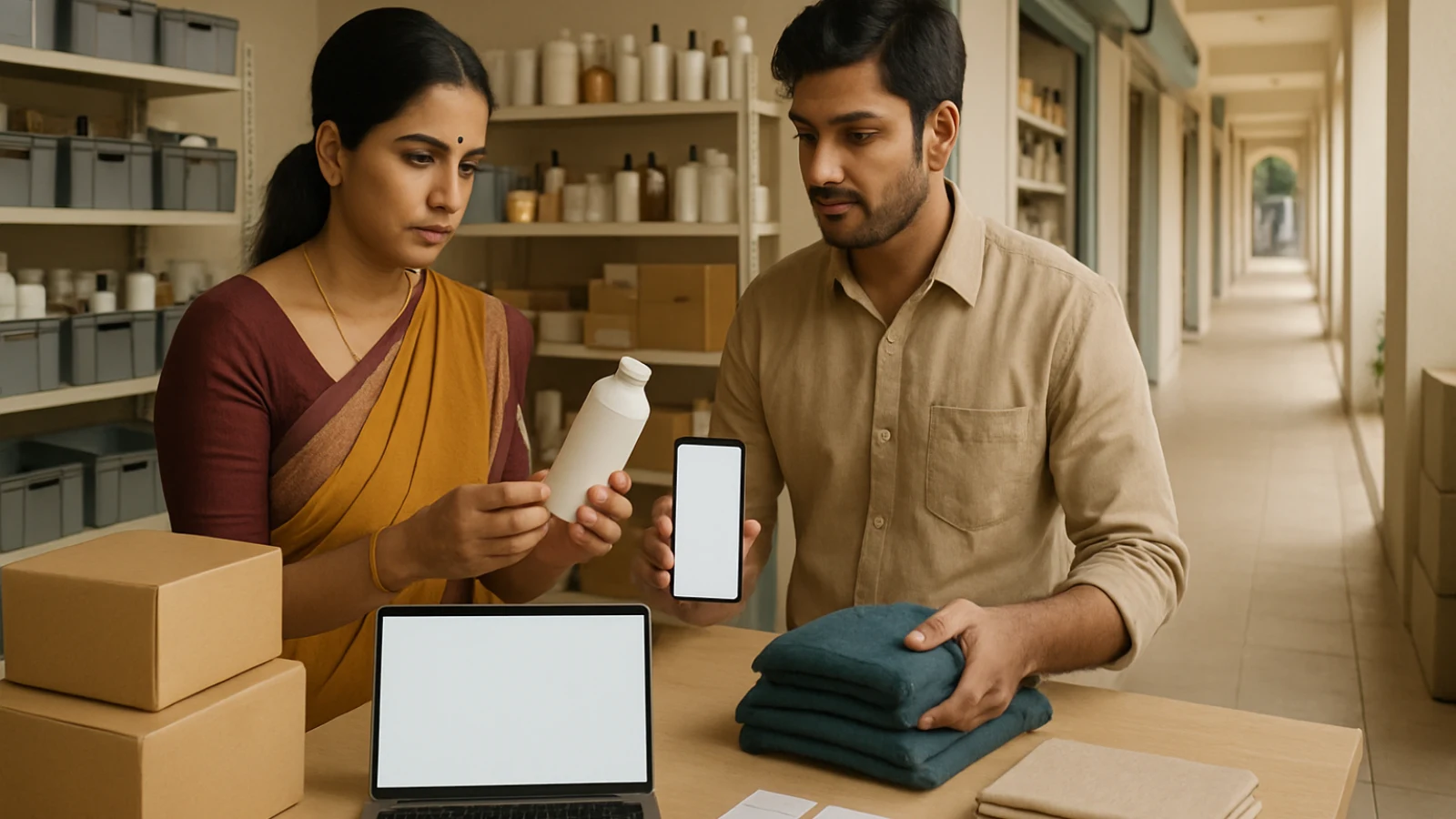
Digital billing is useful even for small shops because it reduces disputes, tracks fast-moving stock and creates a record for supplier purchases. A basic shop setup should include a bill book or billing software, clear item categories, purchase records, supplier invoices, daily sales summaries, UPI settlement checks and a simple backup process. For shops that sell repair parts, packaged goods, mobile accessories, electrical items or garments, this discipline can prevent confusion when returns, warranties or bulk purchases arise.
UPI is now part of daily retail
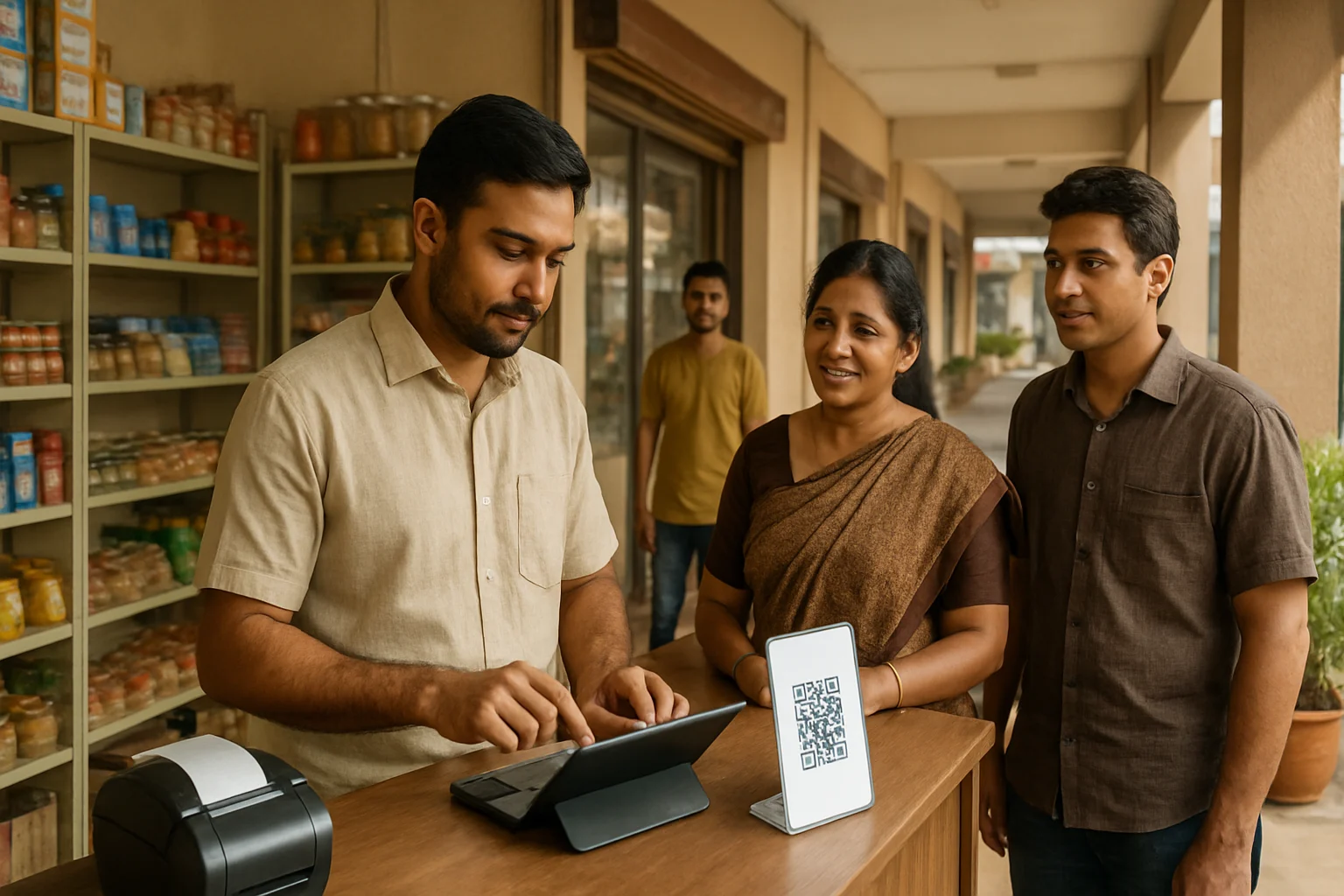
PIB’s 10-year UPI update said UPI processed 24,162 crore transactions in FY2026 and noted strong merchant-side usage. It also stated that person-to-merchant transactions formed a large share of transaction volume and that small-ticket payments below ₹500 dominated retail use. For Tarapur shops, this means QR placement, payment confirmation discipline and daily settlement checks are now operational basics, not optional extras.
Shop categories that should prepare early
- Grocery and packaged food: keep item-wise purchase bills, expiry records and price labels clear.
- Mobile and electronics accessories: track warranties, serial numbers where relevant, and supplier invoices.
- Hardware and electrical shops: separate taxed categories carefully and maintain purchase records.
- Repair/service counters: issue job slips and service receipts so customers know what was repaired and paid for.
- Food and beverage shops: keep daily sales, packaging purchases and supplier records organised from day one.
Balram Complex planning checklist
Before opening at Balram Complex, a tenant should finalise the trade name, bank account, UPI QR, billing format, supplier list, opening stock sheet, daily cash/UPI reconciliation habit and basic compliance calendar. If GST registration applies, do not wait until after launch. A shop that starts with clean records looks more reliable to customers, suppliers and lenders.
CTA: Planning a professional retail or service shop in Tarapur? Book a site visit at Balram Complex and compare shop visibility, customer access and setup needs before finalising your business plan.
Sources used
- PIB: Nine Years of GST - Simplifying Taxation, Strengthening India
- PIB: GST Reforms 2025 - Relief for Common Man, Boost for Businesses
- GST Council: CGST tax notifications page
- CBIC Tax Information: CGST Act Section 10 - Composition levy
- CBIC Tax Information: CGST Act Section 39 - Return filing
- PIB: UPI completes 10 years and powers high-frequency retail payments